HDMI Vs DisplayPort Comparativa, Diferencias Y Ventajas
HDMI vs DisplayPort Diferenças e semelhanças
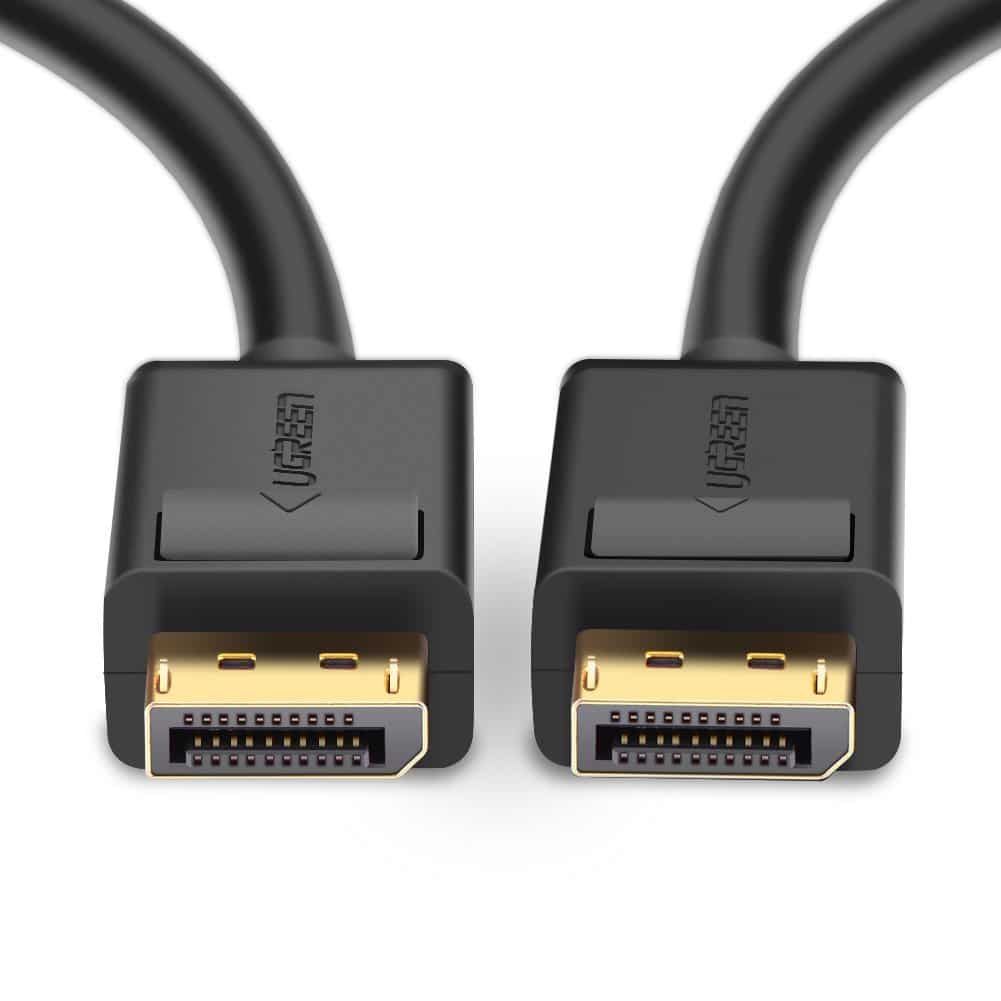
The choice between HDMI 2.1 and DisplayPort 1.4 depends on your device compatibility and display needs; HDMI 2.1 is better for enhanced gaming and multimedia, while DisplayPort 1.4 is suited for multi-display setups and PCs. HDMI and DisplayPort are two of the most common connector types for transmitting video and audio from devices to displays.
HDMI 2.1 vs. DisplayPort 1.4 Was ist der Unterschied? Moyens I/O

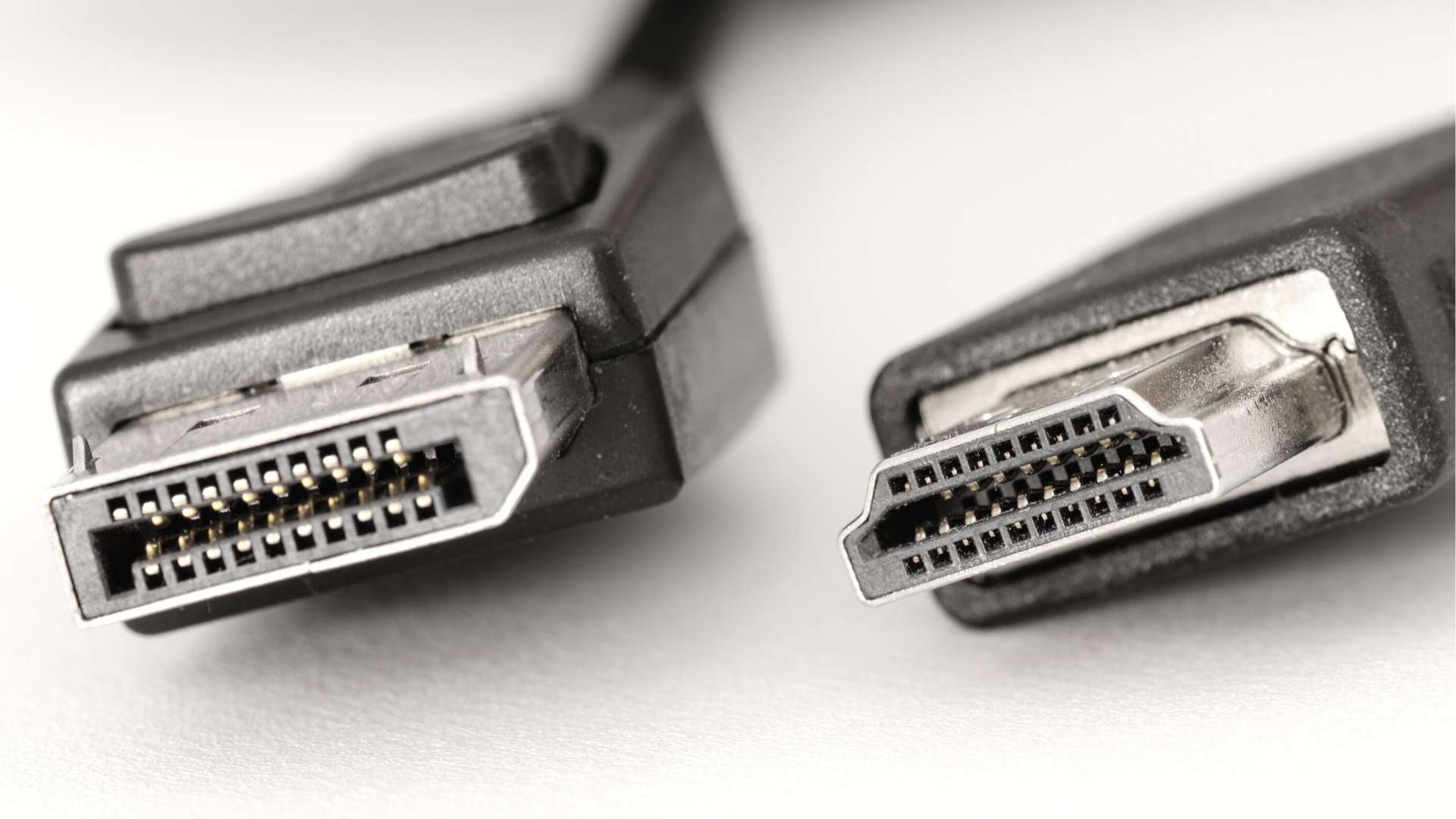
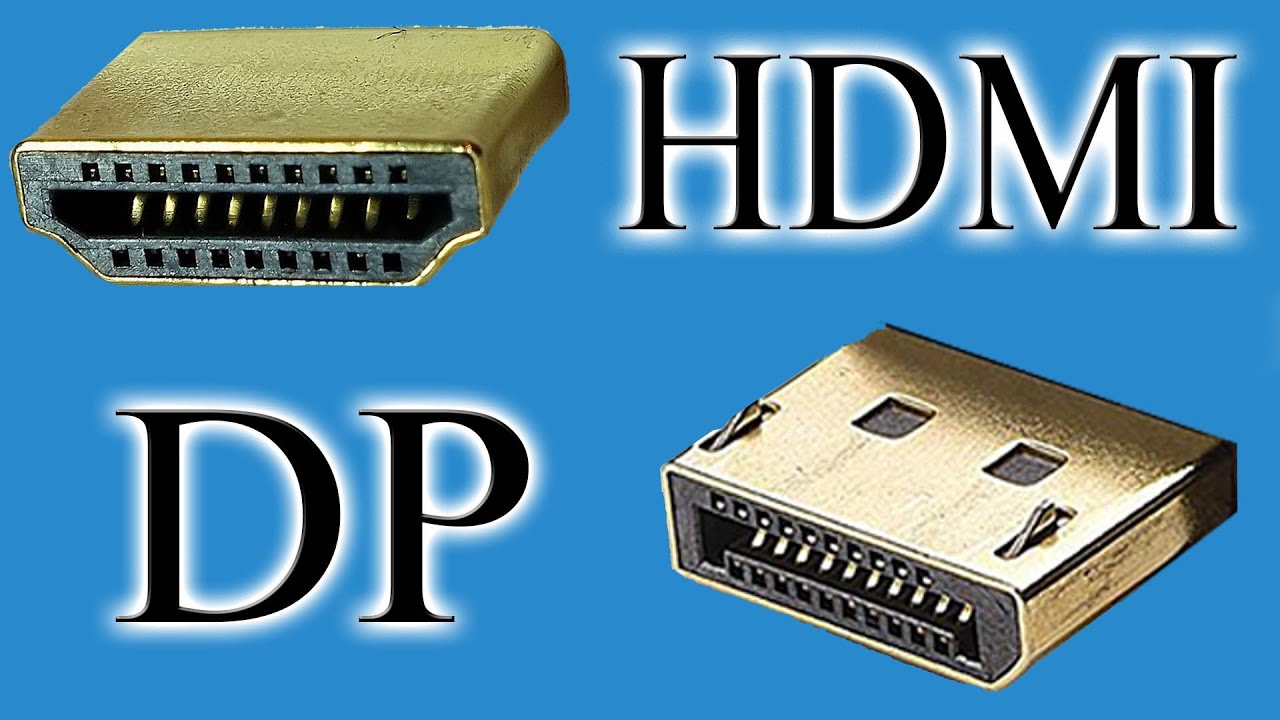
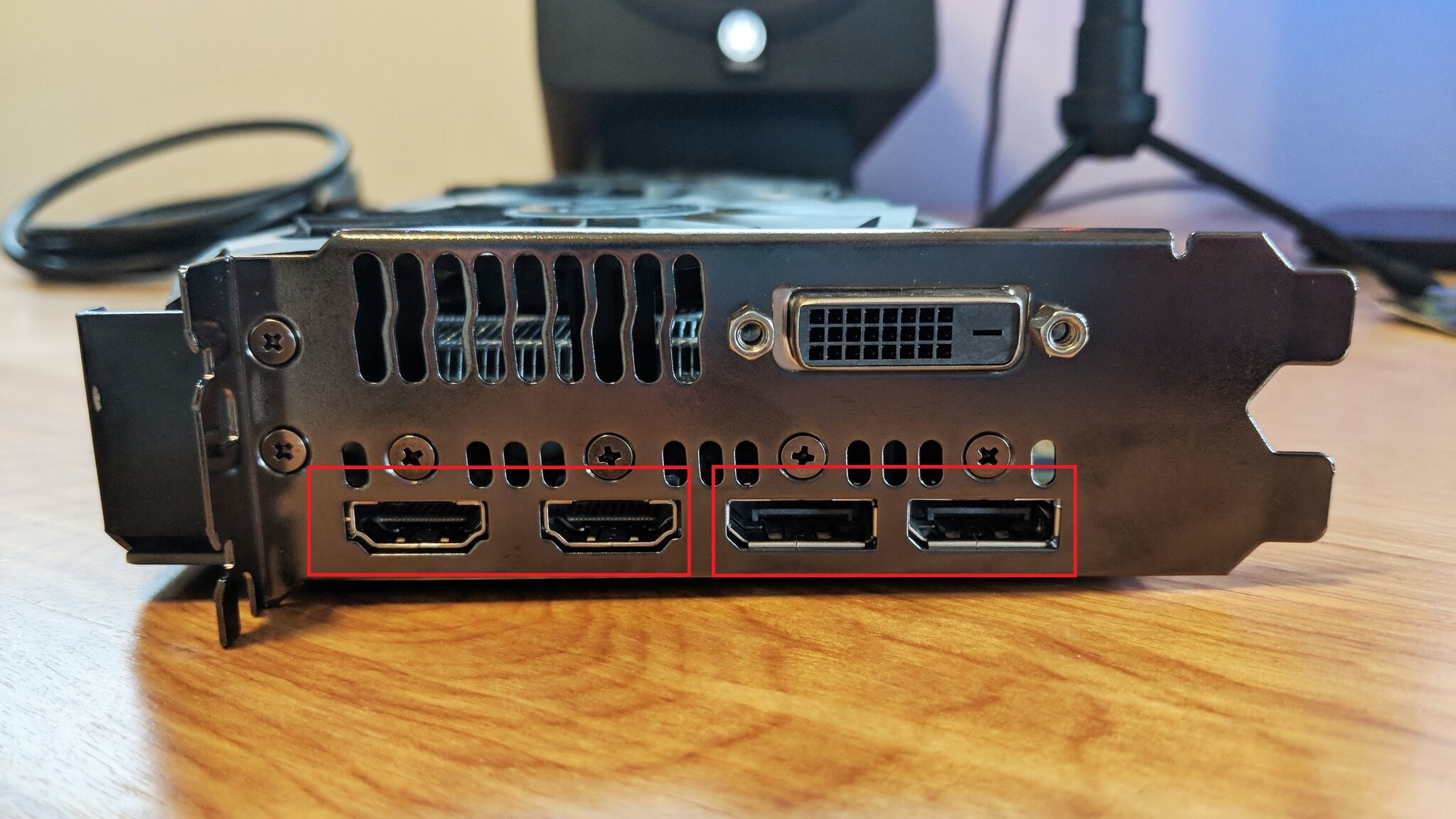
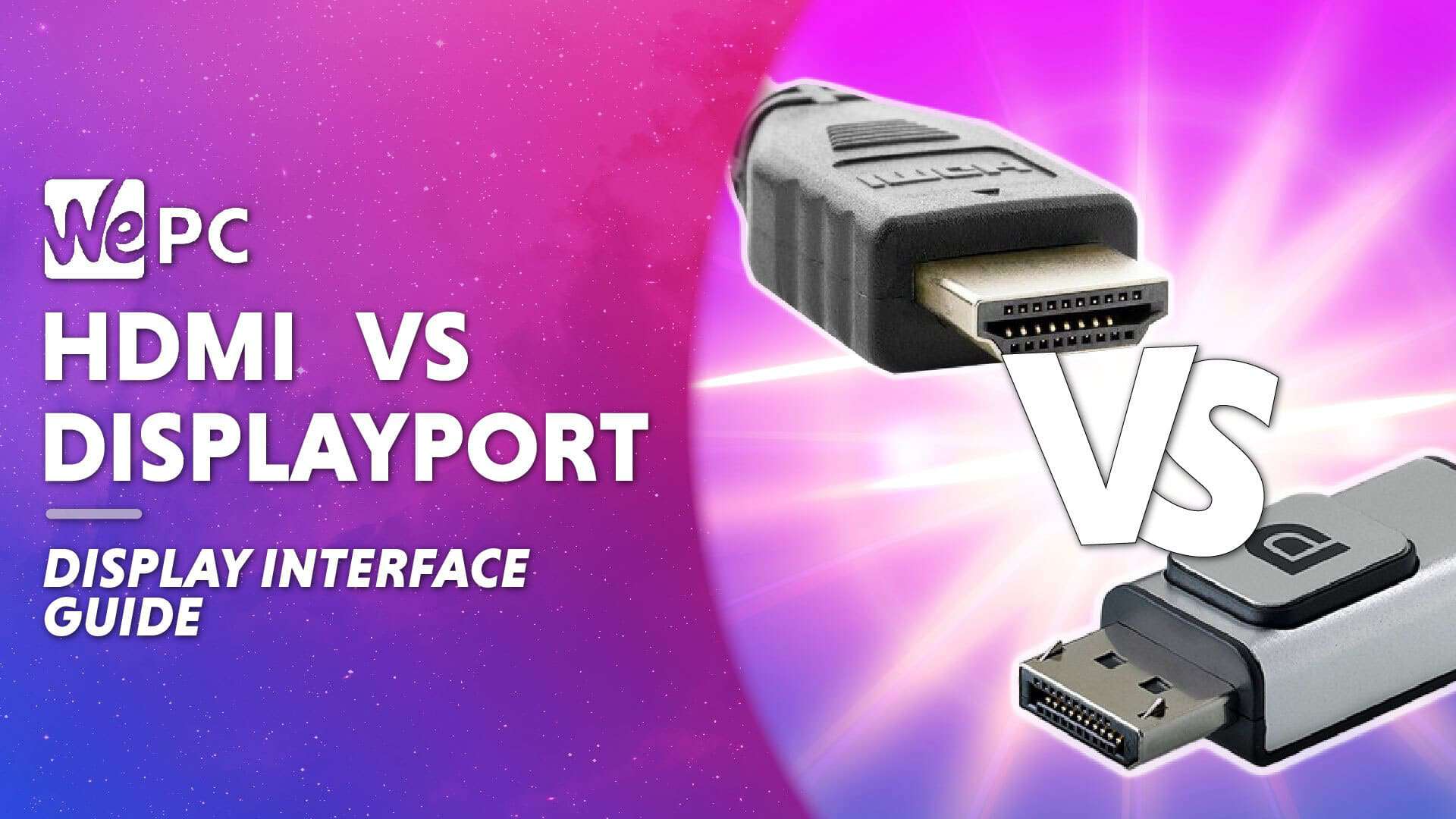
Nevertheless, DisplayPort 2.1 and HDMI 2.1 has almost the same size. The main difference is that the DisplayPort cable (the right cable in the photo above) only has one notch, while the HDMI cable (the left cable in the photo above) has two notched corners—but this is for the standard-sized plugs. HDMI also has other cable types; for example.
Displayport Vs Hdmi

DisplayPort 1.4: Supports up to 8K at 60Hz and HDR. DisplayPort 2.0: Supports 16K with HDR at 60Hz and 10K without HDR at 80Hz. A new DisplayPort 2.1 replaces this version and adds USB4 compatibility.
HDMI vs DisplayPort — Which One Should You Use?
This jump in data transmission speed allows 8K resolution at 60Hz or 4K at 120Hz in DisplayPort 1.4. And not only that, but you also get to experience 10-bit color HDR. On the other hand, HDMI 2.0.
HDMI Vs DisplayPort Comparativa, Diferencias Y Ventajas
The most common DisplayPort 1.4 vs. HDMI 2.1 head-to-head is when deciding which is best for gaming. Both cable standards offer support for some of the most intense, demanding gaming visuals, but there are some gaming PCs, games consoles, and other devices which are better suited for HDMI 2.1 or DisplayPort 1.4.
HDMI vs DisplayPort Which One Should You Use?

1.4 DisplayPort vs. HDMI 2.1: Difference in Availability. The market availability of 2.1 HDMI vs DPort 1.4 is a statement of its use case, market share, and how likely you are to find it in retail stores. Display port is readily obtainable in the market but is limited to workstations and gaming. This is why it has been the ideal data.
DisplayPort 1.4 vs HDMI 2.1 características y diferencias

Technically speaking, the newest DisplayPort 2.0 technology offers the highest resolutions and refresh rates, but it is not officially out on any devices at the time of writing this article. HDMI 2.1 can beat DP 1.4, but you'll need a high-end TV to make the most of it, and DP beats earlier HDMI iterations, especially for NVIDIA G-Sync users.
DisplayPort 1.4 Vs. 1.2 Which is Better? GamingExpert
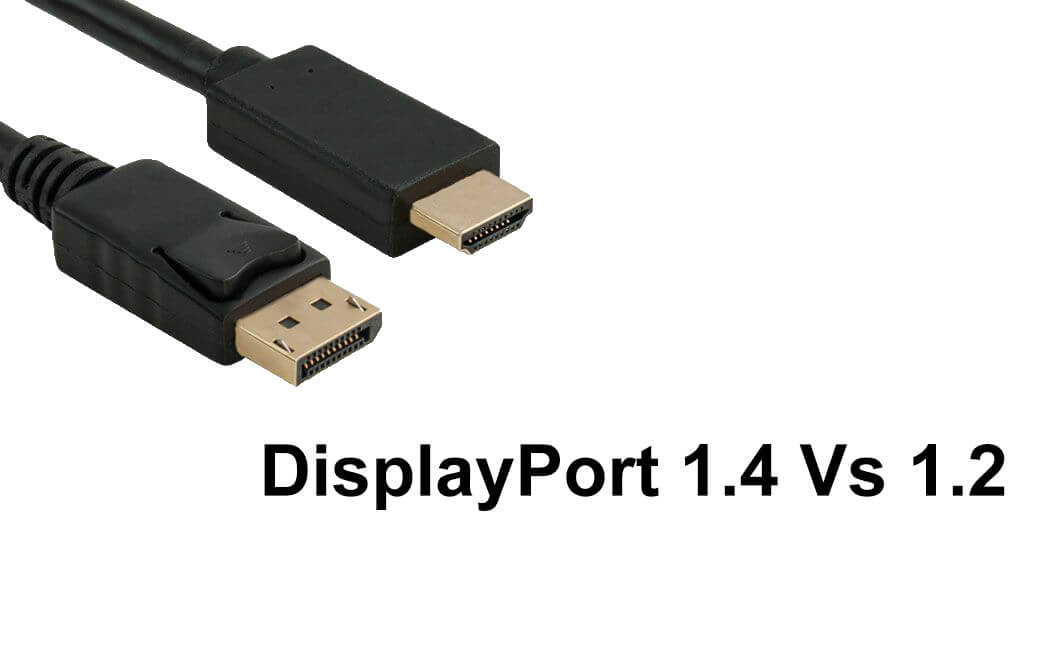
And the HDMI 2.0 supported a resolution of 4K at 60 Hz or 8K at 30 Hz. The latest HDMI 2.1 standard supports 4K at 120 Hz and 8K at 60 Hz. The maximum resolution that the HDMI 2.1 interface can support can go up to 10K. The DisplayPort 1.4 also supports 4K at 120 Hz and 8K at 60 Hz. These numbers are a little overkill considering today's.
HDMI vs DisplayPort Comparativa, diferencias y ventajas
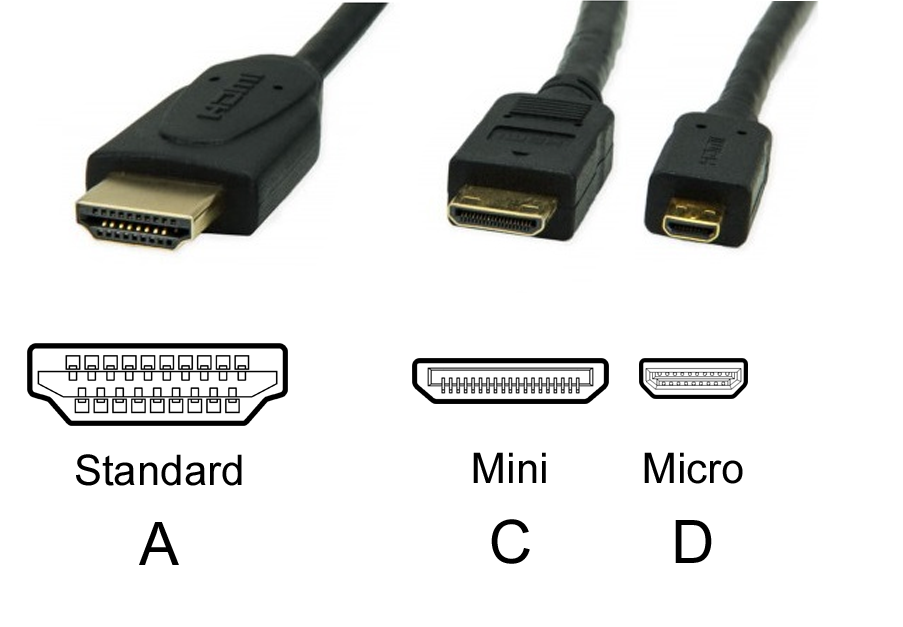
Comparing the new HDMI standard to the previous one reveals significant improvements. The highest data transfer rate for DisplayPort 1.4 is approximately 32.4 Gbps (4GBps), but the maximum data transfer rate for HDMI 2.1 is about 48 Gbps (6GBps). The 4K 30 FPS resolution was supported by HDMI 1.4. Additionally, 4K at 60 Hz and 8K at 30 Hz.
HDMI 2.1 vs. DisplayPort 1.4 Full Comparison, and Pros and Cons, displayport 2.1
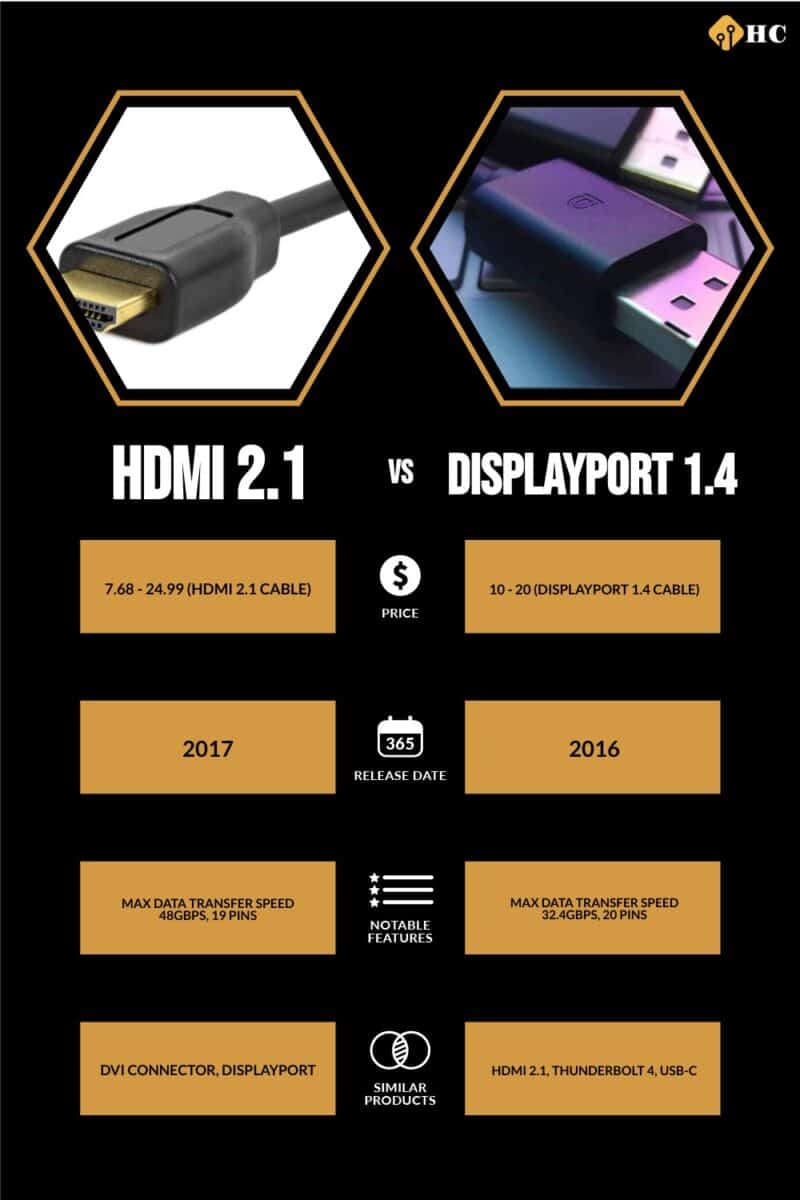
HDMI cable requirements have changed over time, just like DisplayPort. One of the big advantages is that high quality HDMI cables can be up to 15m (49.2 feet) in length — five times longer than.
HDMI vs Display Port Explained YouTube
The HDMI 1.0 was able to push around 3.96 Gbps at max and had support for 4K@30Hz. Fast forward to HDMI 2.0, HDMI cables can push up to 14.4 Gbps of data and can support 8K at 30Hz. Naturally.
HDMI vs. DisplayPort
HDMI features a very high bandwidth of 48 GB, which is 50% better than DisplayPort 1.4's capacity (32GB). This is a significant advantage since a higher bandwidth ensures the stability and smoothness of a network. As a result, HDMI 2.1 provides a more stable signal transmission. Using HDMI 2.1, your device can load and process the signals.
DisplayPort Vs HDMI Which Display Interface Is The Best? WePC
HDMI is technically superior thanks to the release of HDMI 2.1, which surpasses the capabilities of DisplayPort 1.4, but monitors that support it are scarce. Expect that to change soon, though, as a number of manufacturers announced HDMI 2.1 monitors at CES 2021. Compared to standard HDMI 2.0, DisplayPort 1.4 is superior.
Displayport Vs HDMI Which One Is More Worth To Use? [New 2021] Colorfy
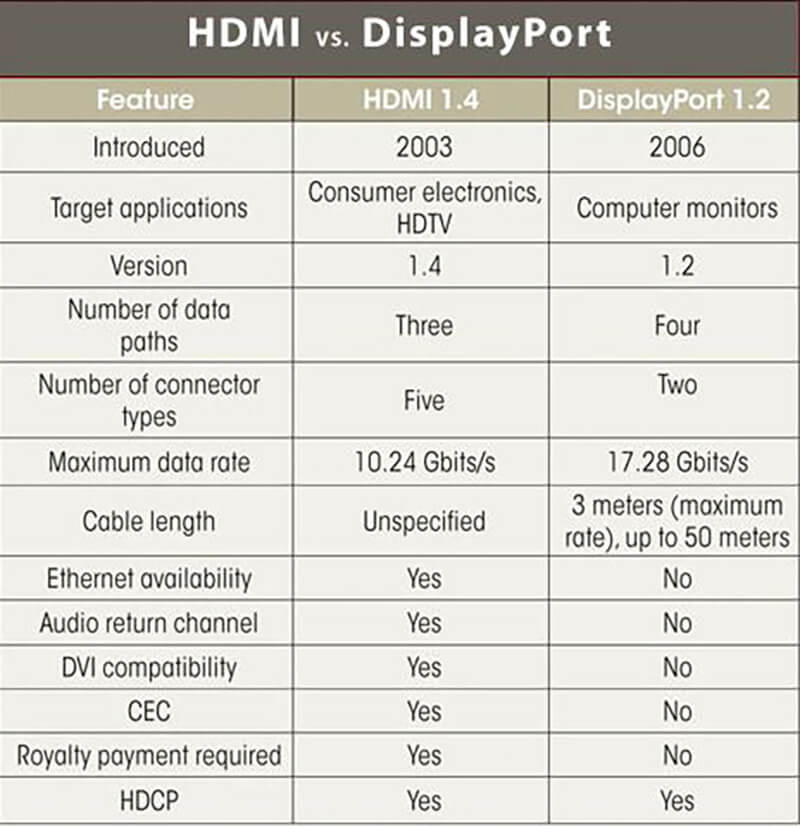
DisplayPort 1.2 has been in use since 2010,. The most recent, and most capable, version is HDMI 2.1. It offers up to 77.4 Gbps bandwidth and includes support for 8K resolution - something.
DisplayPort vs HDMI Which Is Better?
:max_bytes(150000):strip_icc()/display-port-vs-hdmi-c2g-ccc-1697f356c33b4313bf4f239ef56856e4.jpg)
48 Gbps. Looking at the table above, it's immediately clear to see the advantages offered by DisplayPort. While HDMI 2.1 can pump out pixels at 8K at 120Hz, while even HDMI 2.1 is only capable at.
All HDMI and DisplayPort Versions EXPLAINED YouTube

Yes. As evident from the table, both interfaces excel in supporting high resolutions and refresh rates. DP 1.4 can handle 8K at 60 Hz with 8-bit and 10-bit color depths, while HDMI 2.1 matches this capability. For 4K resolution, both standards support up to 144 Hz at 8-bit color depth and 120 Hz at 10-bit color depth.
.